
Okay, so here’s the thing. If you’re dipping a toe into Solana—whether for DeFi, NFTs, or just to tinker—your browser wallet is basically the gateway. It’s the keyring, the identity layer, and often the weakest link. Short story: pick wisely.
Browsers are where most people interact with web3 apps. That makes extensions high-value targets. Sparks fly fast in crypto; one bad click and you’re out. My instinct said the same when I first started—totally casual—then reality set in and I rebuilt how I manage keys.
First impressions matter. Some wallets are slick and polished. Others seem promising until you try to sign a transaction and find yourself wondering why a URL you don’t recognize is asking for permission. Trust cues help, but they aren’t foolproof. So let’s break this down into practical, usable advice for anyone looking for a Solana extension.
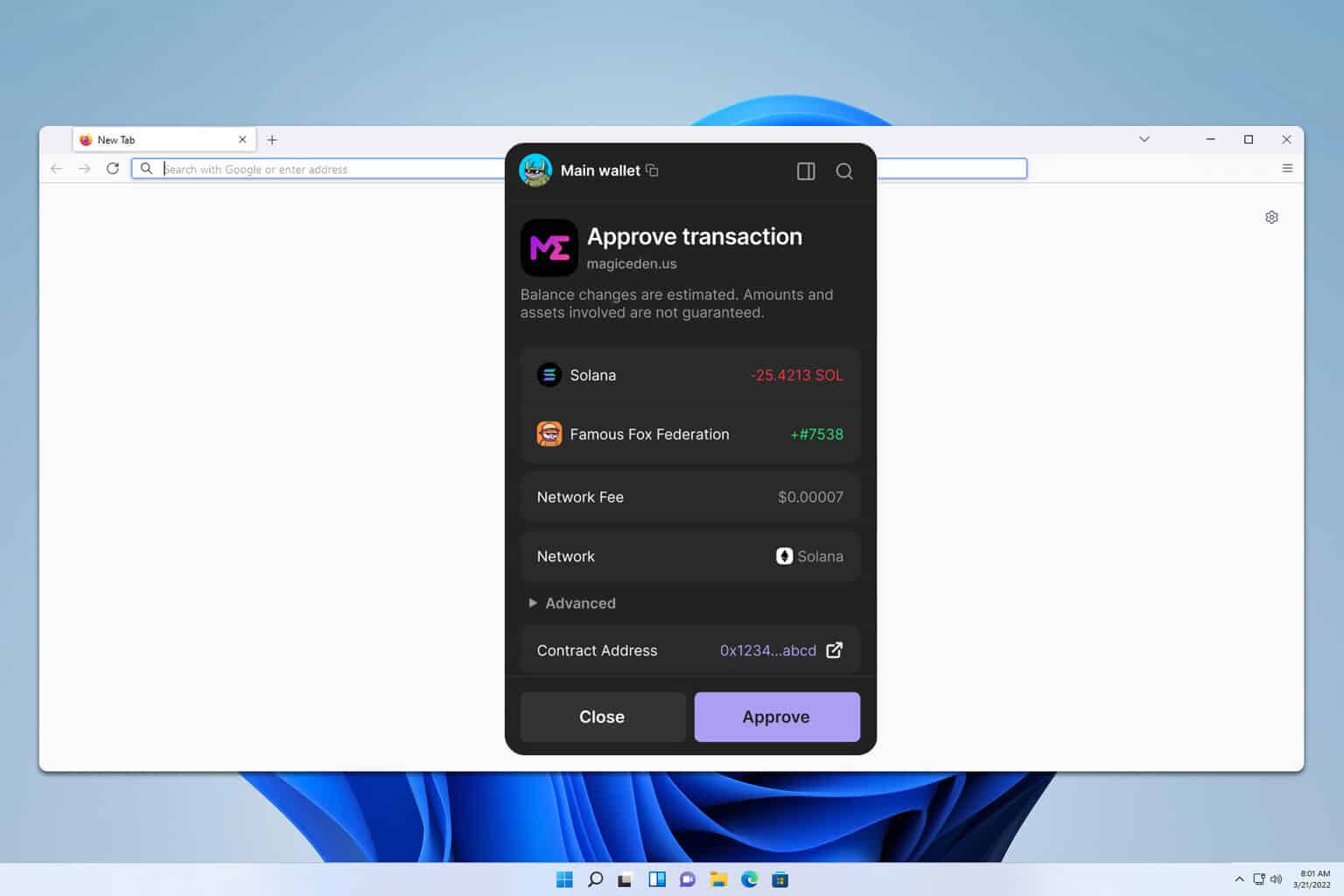
What a good Solana browser extension should do
It should be simple to use. It should also be transparent about what it requests. Ideally, it isolates accounts, supports hardware keys, and makes backups obvious. Those are baseline features. Beyond that, think about these things:
– Permission granularity: the extension should explain what a dApp is requesting. Some ask to “connect” only. Others push signing rights—big difference.
– Account management: can you create multiple accounts or import a hardware wallet? You want flexibility.
– NFT handling: if you collect NFTs, ensure the wallet shows on-chain metadata clearly and supports transferring without hidden fees.
Setting up a Solana extension—step by step (practical)
Install from a trusted source first. Really. Use the official store or the project’s verified site. After adding an extension, create a fresh account and write down the seed phrase immediately. Store it offline. That’s non-negotiable.
When you import an old wallet, check addresses carefully. Small mistakes can cost real money. Watch the permissions a dApp requests. If something smells off—like a request to transfer funds automatically—don’t approve it.
One wallet I often recommend for casual and power users is phantom wallet because its UX balances simplicity with power. If you want to try it, get it from the official install link: phantom wallet. That said, install only from trusted sources and verify signatures when available.
Security habits that actually help
Here are the practices that saved me headaches. Short list. Follow them.
– Seed phrase offline: write it down on paper or use metal backup. No screenshots. No cloud notes.
– Use hardware wallets for significant funds. Connect them through extensions that support USB or Ledger Live. Hardware keys are the single biggest upgrade for safety.
– Limit browser exposure: consider a dedicated user profile or browser for crypto. I run a separate profile with only the wallet installed—less noise, less risk.
– Regularly review connected sites. Revoke permissions you no longer use.
Handling NFTs and marketplaces
NFT workflows can be weird. Some marketplaces request blanket approvals for collections. That’s dangerous. Approve only what you need when you need it. If a marketplace is asking for sweeping control, pause and research. Ask community channels—Discord, Reddit—that you trust.
Also, metadata can mislead. A token may display a particular image, but the smart contract defines ownership. Use on-chain explorers to confirm token IDs when making high-value trades.
Troubleshooting common problems
Lost connection to a dApp? Try locking and unlocking the wallet first. Still stuck? Clear site data for the dApp domain, then reconnect. If transactions fail, check cluster settings—mainnet vs devnet can trip people up.
Can’t find your funds after import? Double-check the seed phrase and derivation path. Some wallets use different paths by default. Also check tokens list—sometimes the token exists but isn’t displayed until you add it via its mint address.
Choosing between wallets (quick heuristic)
Pick a wallet based on three things: security features, usability, and ecosystem support. If you want tight security, prefer hardware compatibility and open-source code. If you value speed and UX, choose a widely adopted extension that integrates smoothly with major marketplaces and dApps. There’s often a tradeoff, and that’s okay.
On one hand, a minimal, audit-focused wallet might feel clunky. On the other, a super-slick wallet can hide advanced settings. Balance is key.
FAQ
Is a browser extension safe enough for holding serious assets?
Short answer: not by itself. Use an extension for daily interactions and a hardware wallet for long-term holdings. Treat extensions as the front door—not the vault.
What if I accidentally approved a malicious dApp?
Lock your wallet immediately, revoke the site’s permissions, and move assets to a new address (generated from a fresh seed or hardware wallet). If you suspect private key compromise, assume the worst and act fast.
How do I add custom tokens or NFTs if they don’t show up?
Locate the token’s mint address on a block explorer, then add it manually in the wallet’s UI. For NFTs, some wallets require you to “view” or “import” by mint ID. Be cautious and confirm the mint address from a trusted source.
